
Taiwan Nuclear Power Plants
Taiwan’s three operating nuclear power plants provide the nation with safe, stable, and clean energy. Since 1978, they have been an essential part of the electricity supply chain, once supplying up to two-fifths of the island’s total power.
Located in Gongliao, northeastern Taiwan, Nuclear Power Plant No. 4 was developed to strengthen the nation’s energy supply and competitiveness. Using the advanced ABWR design from GE, TEPCO, Hitachi, and Toshiba, the plant features modern safety systems, improved radiation protection, and reduced waste for safer, cleaner power generation.
Power Plant 1 (Chinshan nuclear power plant)
Overview
Located in Shimen, New Taipei City, about 28 kilometers from Taipei, the plant covers 245 hectares and operates two turbine-generator units with a total capacity of 1,272 MW. Selected after rigorous studies by local and international experts, the site was deemed highly suitable for nuclear power generation. Since operations began, continuous environmental monitoring has been in place to ensure public safety.
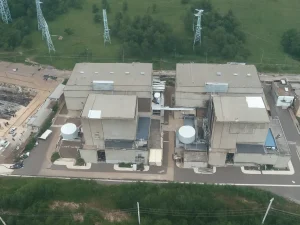
Since beginning operations, Nuclear Power Plant No. 1 has generated over 212.89 billion kWh of electricity, supporting Taiwan’s energy needs. Each year, the plant also contributes a portion of its revenue to local communities, helping promote growth and prosperity in nearby towns.
Main Equipment
Nuclear Power Plant No. 1 operates two identical boiling water reactor (BWR) units supplied by General Electric, paired with turbine generators from Westinghouse. Each unit can produce about 5 billion kWh of electricity annually, with power delivered through 345 kV transmission lines to the Taipei area, ensuring efficient and reliable energy supply.
Plant Safety
The reactors are protected by multiple layers of steel and reinforced concrete, designed to withstand high temperatures, pressure, earthquakes, and external impacts. With advanced containment systems and double airlock doors, the plant ensures that even in the unlikely event of a radiation leak, all materials remain safely contained within the facility—keeping the environment and public fully protected.
Fuel
The reactors use low-enriched uranium fuel, with each core holding over 400 fuel assemblies and supported by control rods for safety. Refueling is needed only once every 18 months, with about one-quarter of the fuel replaced each time. Taiwan secures its uranium supply through long-term international agreements, ensuring stable and reliable energy production.
Completion Timeline
Construction of Nuclear Power Plant No. 1 began in 1970. Unit 1 entered commercial operation in December 1978, followed by Unit 2 in July 1979.
Power Plant 2 (Kuosheng nuclear power plant)
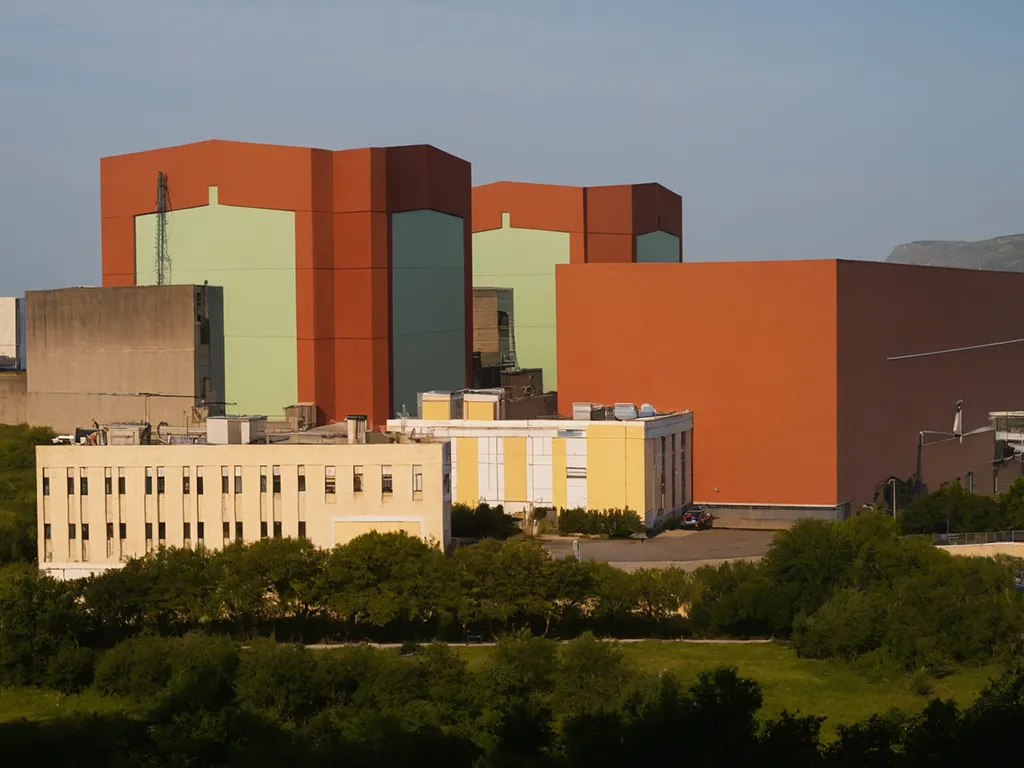
The Second Nuclear Power Plant, located about 22 km from Taipei in northern Taiwan, covers 220 hectares and operates two of the largest generator units in the nation’s power system.
The site was carefully selected after expert studies, with design and construction guided by Bechtel Corporation (USA).
Main Equipment
The Second Nuclear Power Plant uses a dual-unit design with some shared facilities. Each unit is powered by a sixth-generation boiling water reactor (BWR) from General Electric, capable of producing 12.45 million pounds of steam per hour, supported by a third-generation containment system for enhanced safety.
Turbine-Generator Units
Each unit, built by Westinghouse (USA), uses a high-efficiency turbine system with hydrogen-cooled generators rated at 985,333 kW. The electricity is delivered through 345 kV transmission lines to Taipei, ensuring reliable power for the region.
Major Construction Milestones
Construction of the Second Nuclear Power Plant began in 1974. Key milestones included completing the Unit 1 reactor foundation in 1975, installing the 450-ton generator stator in early 1978, and the 600-ton reactor pressure vessel later that same year.
Trial Operation and Fuel Loading
Unit 1 entered its trial operation stage in 1979, and by January 1981 fuel loading was completed 115 days ahead of schedule. This milestone reduced costs significantly and greatly strengthened Taiwan’s power supply capacity.
Unit 2 Construction and Operation
Unit 2’s major installations were completed in 1978, with fuel loading finished in 1982. Unit 1 began commercial operation in 1981, followed by Unit 2 in 1983, marking the full operation of the Second Nuclear Power Plant.
Plant Safety
The plant is protected by multiple layers of reinforced concrete and double safety systems designed to prevent radiation from escaping. Even in the unlikely event of a leak, these barriers ensure that all materials remain safely contained within the facility, protecting both the environment and nearby communities.
Fuel
The reactors use low-enriched uranium fuel, with 624 fuel assemblies and 145 control rods to safely control the fission process. Taiwan secures natural uranium on the international market and has long-term agreements with allied nations, ensuring a stable 30-year fuel supply.
Radiation and Environmental Protection
To ensure safety and protect the environment, radiation monitoring stations are set up within 50 km of the plant, checking air, water, soil, and local ecology. In addition, the Taiwan Radiation Monitoring Center conducts independent monitoring, providing an extra layer of assurance for surrounding communities.
Sample Types and Monitoring Stations
Direct Radiation:
39 stations
Air Samples:
33 stations
Biological Samples:
25 stations
Water Samples:
29 stations
Soil and Shoreline Sand:
26 stations
Total:
162 stations
Commitment
Power drives both daily life and economic growth. The Second Nuclear Power Plant is dedicated to providing Taiwan with safe, reliable energy by upholding its principle of safety first, quality foremost.
Power Plant 3 (Maanshan nuclear power plant)
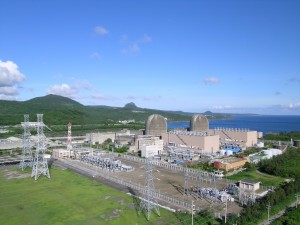
Following the oil crisis, Taiwan expanded its energy diversification by building the Third Nuclear Power Plant in Hengchun, southern Taiwan,
To balance power supply between north and south and reduce transmission needs. Located about 6 km from Hengchun Township, the plant covers 354 hectares and operates two generating units, each with a capacity of 951,000 kW.
Site Selection and Design
Before construction, local and international experts conducted detailed studies on terrain, geology, climate, hydrology, and ocean currents, confirming Hengchun as the most suitable site for the Third Nuclear Power Plant. During design and construction, Bechtel Corporation (USA) served as the consulting firm, overseeing plant design and on-site guidance.
Main Equipment
The Second Nuclear Power Plant operates two boiling water reactors (BWRs) designed by General Electric, each producing over 12 million pounds of steam per hour. A third-generation containment system provides strong safety protection.
Turbine-Generator Units
Built by Westinghouse (USA), each turbine system includes one high-pressure and two low-pressure turbines, paired with a hydrogen-cooled generator rated at 985,333 kW. The electricity produced is transmitted through 345 kV ultra-high-voltage lines via three circuits to supply the Taipei area.
Major Equipment & Providers
- Type: Pressurized Water Reactor (PWR)
- Units: 2
- Installed Capacity: 951 MW each
- Construction Cost: NT$94.7 billion
- Reactor: Westinghouse (USA) / 3-loop PWR
- Turbine-Generator: General Electric (USA) / 3-cylinder, reheat, 4-flow turbine with hydrogen-cooled generator
- Low-Pressure Turbine Rotor: ABB (Switzerland)
Environmental Protection
We put safety first. Our monitoring stations track radiation in air, water, soil, and local ecosystems to ensure our nuclear plants operate safely and responsibly. Independent checks by the Atomic Energy Council provide extra peace of mind for the community and the environment.
Direct Radiation:
37 stations
Air Samples:
40 stations
Biological Samples:
27 stations
Water Samples:
27 stations
Soil and Shoreline Sand:
34 stations
Total:
165 stations
Protecting Coral Reefs
Located near Nanwan Bay’s coral-rich waters, we’ve invested in advanced cooling systems to reduce warm water discharge. Thanks to these efforts, the impact on coral reefs is minimal and carefully monitored, ensuring this natural treasure remains protected for future generations.
Safe Waste Management
All radioactive waste is carefully managed on-site. Used fuel is securely stored in dedicated pools, while low-level waste is treated, reduced, and safely stored in the plant’s waste facility—ensuring safety for people and the environment.
Power Plant 4 (Lungmen nuclear power plant)
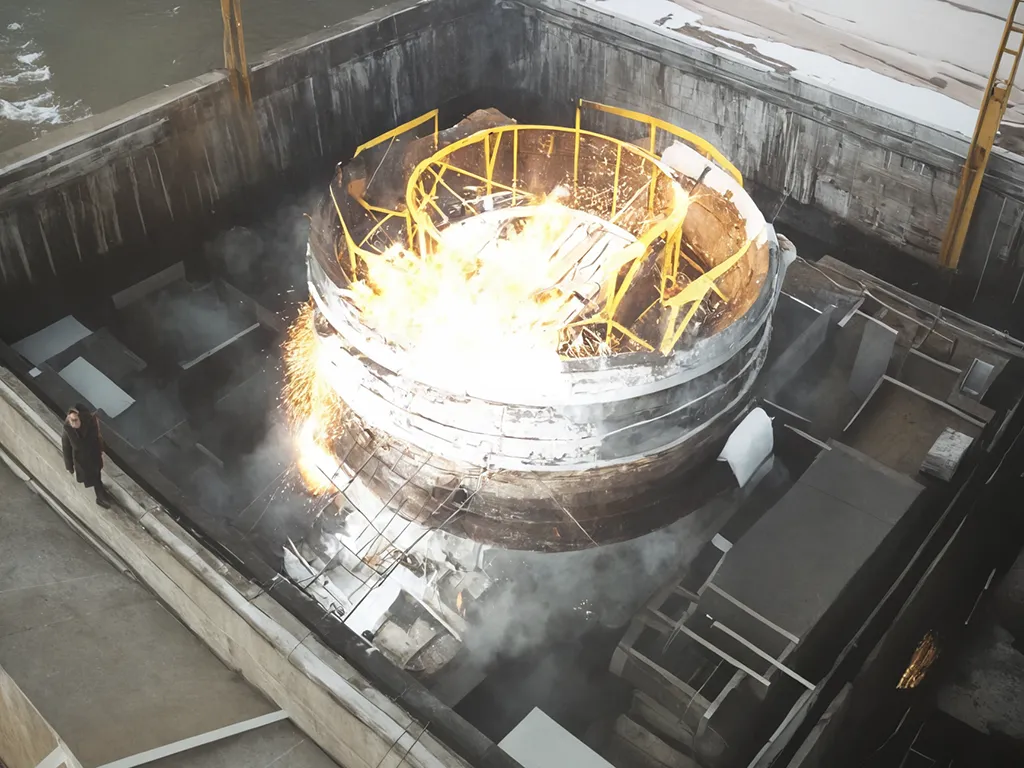
To support Taiwan’s long-term economic growth and ensure a more reliable and diverse energy supply, Taiwan Power Company received government approval to build the Lungmen Nuclear Power Plant in Gongliao, Taipei County.
Construction of Units 1 and 2 was planned for completion in 2009 and 2010, providing the public with safe, reliable, and affordable electricity.
Taiwan’s Largest Power Unit
The Lungmen Nuclear Power Plant spans 480 hectares on Taiwan’s northeast coast, with two units of 1,350,000 kW each—making it the largest power unit in the nation’s grid.
Expert Site Selection
Chosen through detailed studies by local and international experts, the Lungmen site ensures safety and suitability, with design and construction guided by U.S. engineering specialists.
Main Equipment
The Lungmen Nuclear Power Plant is designed with a twin-unit layout. Except for the auxiliary fuel building, waste treatment facility, and a few shared systems, each unit operates independently.
Each unit is equipped with an advanced boiling water reactor (BWR) developed by General Electric, the latest in BWR technology. Each reactor produces 16.84 million pounds (7.64 million kg) of saturated steam per hour at a pressure of 1,040 psi (about 7.2 MPa). The containment system was also designed by General Electric.
The turbine-generator system, built by Mitsubishi Heavy Industries of Japan, includes a four-cylinder, six-flow, tandem-compound turbine—one high-pressure and three low-pressure turbines. The hydrogen-cooled generator produces 1,350,000 kW of electricity, which is transmitted through 345,000-volt ultra-high-voltage lines to Taipei and Longtan for grid integration.
Plant Safety
The reactor building is reinforced with concrete containment to prevent radiation leaks, and shielding walls are in place wherever needed. All safety systems are built with redundancy and housed in isolated facilities. Even in the unlikely event of a leak, multiple barriers ensure radiation remains contained and does not impact the environment.
Environmental Protection
The Lungmen Plant’s cooling water system uses a tunnel discharge design, releasing water 800 meters offshore at a depth of 11 meters. This “submerged discharge” method minimizes visual impact and allows better dispersion of warm water, unlike conventional coastal outfalls.
Community and Environment
To support local tourism and reduce the plant’s impact on the landscape, a 10–50 meter green buffer zone has been created around the facility to enhance the scenery. In addition, a visitor center has been established on-site, offering both recreational space and educational resources for the public.
Power Plant 4 (Lungmen nuclear power plant)
Types of Nuclear Reactors
Around the world, many types of nuclear reactors are in use. The most common are light-water reactors, which are divided into pressurized water reactors (PWRs) and boiling water reactors (BWRs). Both use ordinary water as the moderator and coolant. Among them, PWRs are the most widely adopted.
Climate change caused by greenhouse gas emissions is the most urgent global environmental issue. Reducing carbon dioxide (CO₂) emissions is therefore a top priority worldwide. Among all energy sources, nuclear power has the lowest life-cycle CO₂ emissions—coal produces 63 times more, and natural gas 32 times more.
The environmental advantages of nuclear energy extend beyond reducing carbon dioxide emissions. With proven, safe, and cost-effective technology, nuclear power can also be harnessed to produce hydrogen and desalinate seawater—addressing both greenhouse gas reduction and global water scarcity. This multiplier effect is unique to nuclear energy and unmatched by other sources.
Global climate change driven by the greenhouse effect represents one of the greatest challenges to human civilization, and reducing carbon dioxide (CO₂) emissions is an unavoidable international obligation. Nuclear power generation reduces national emissions by 30 million tons annually—equivalent to cutting nearly 13% of total CO₂ output—and saves society an estimated NT$394 billion in carbon taxes each year. More importantly, for a country that proclaims its commitment to fulfilling international responsibilities, what alternative resource could realistically achieve the Kyoto Protocol’s reduction targets?
核能的基本介紹(Nuclear Power 101)
Distributed Products
Click on the product images below to learn more about the items we represent.
-
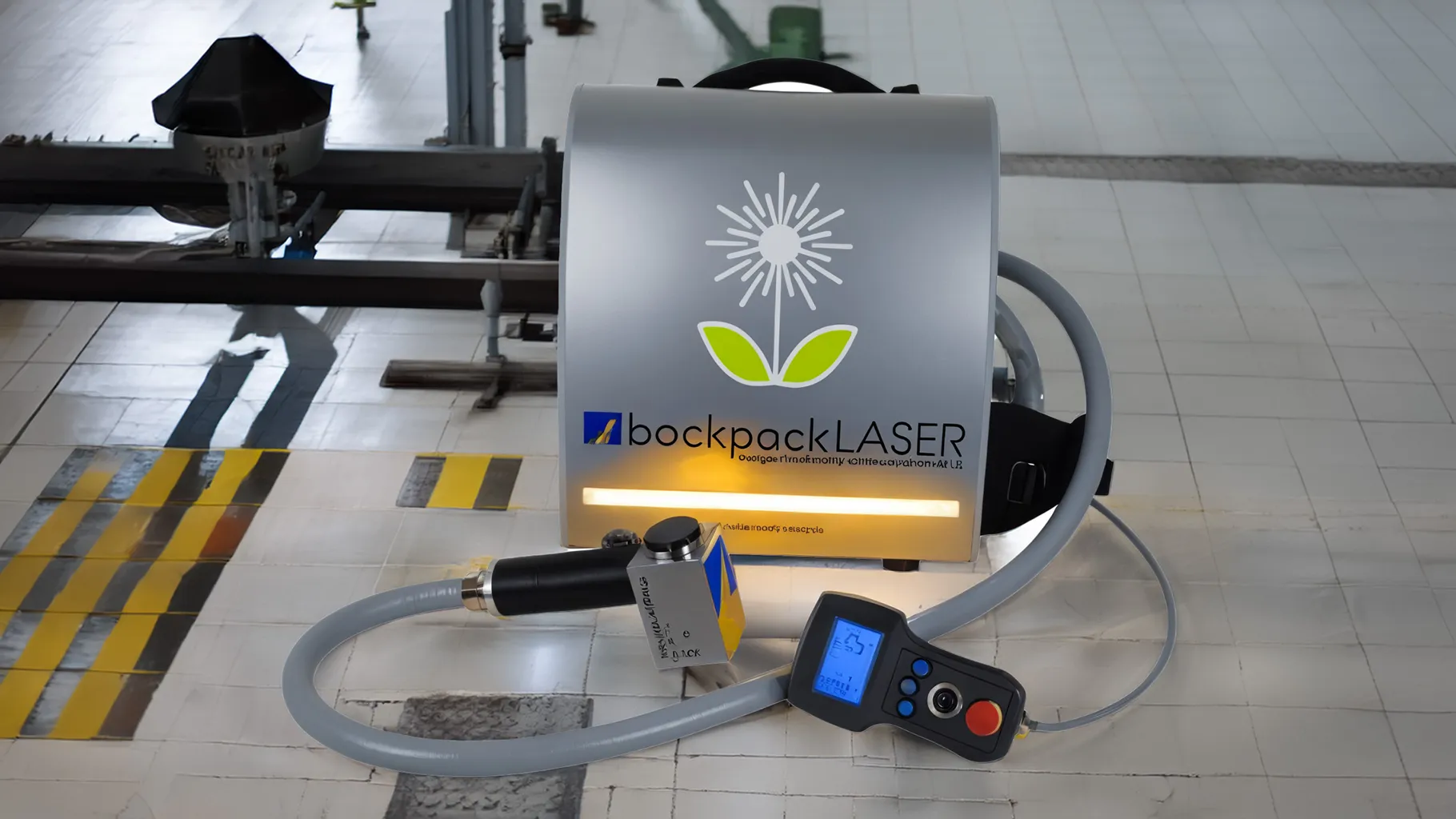
Backpack
-
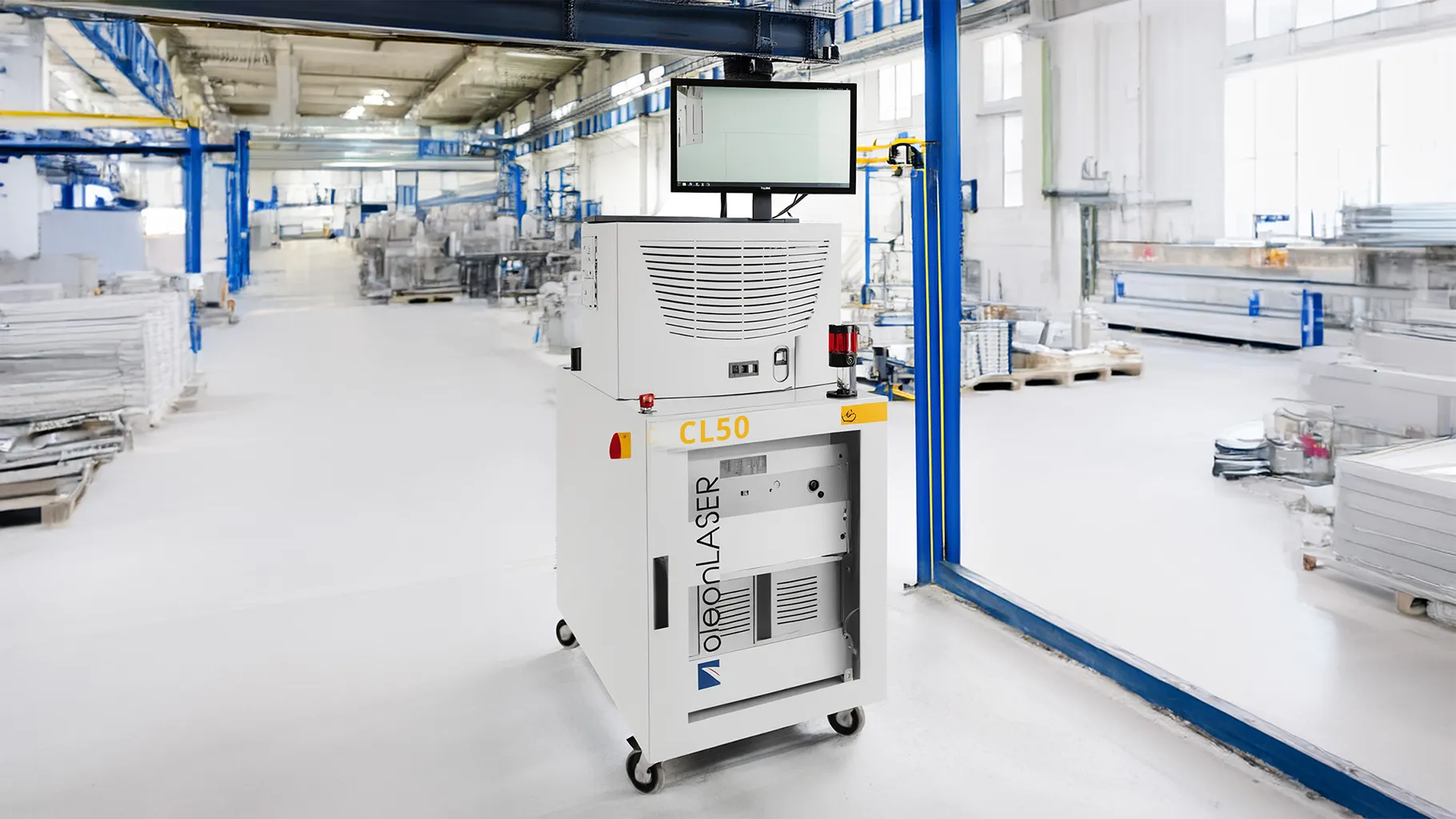
Low Power Laser Systems
-
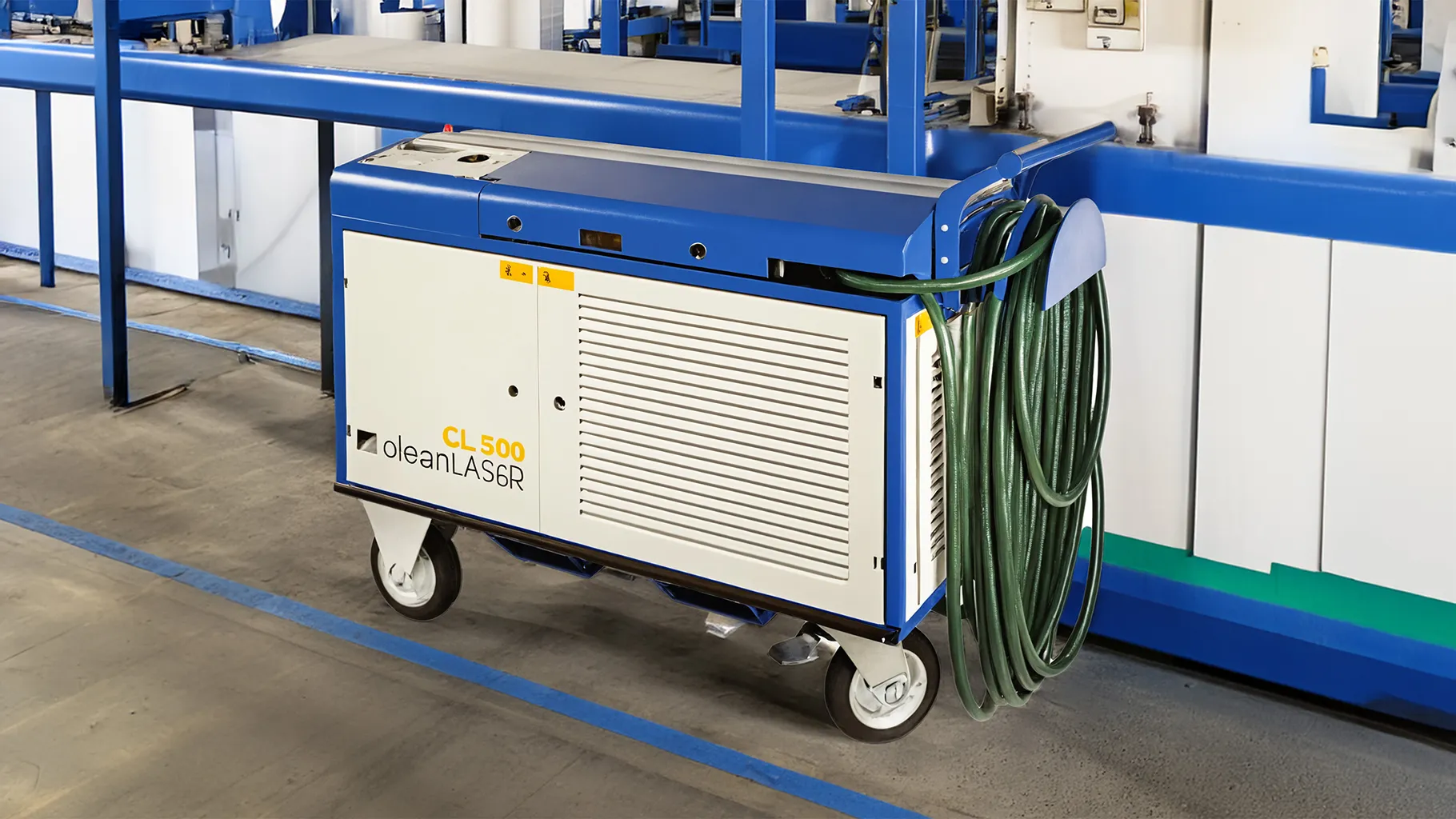
Mid Power Laser Systems
-
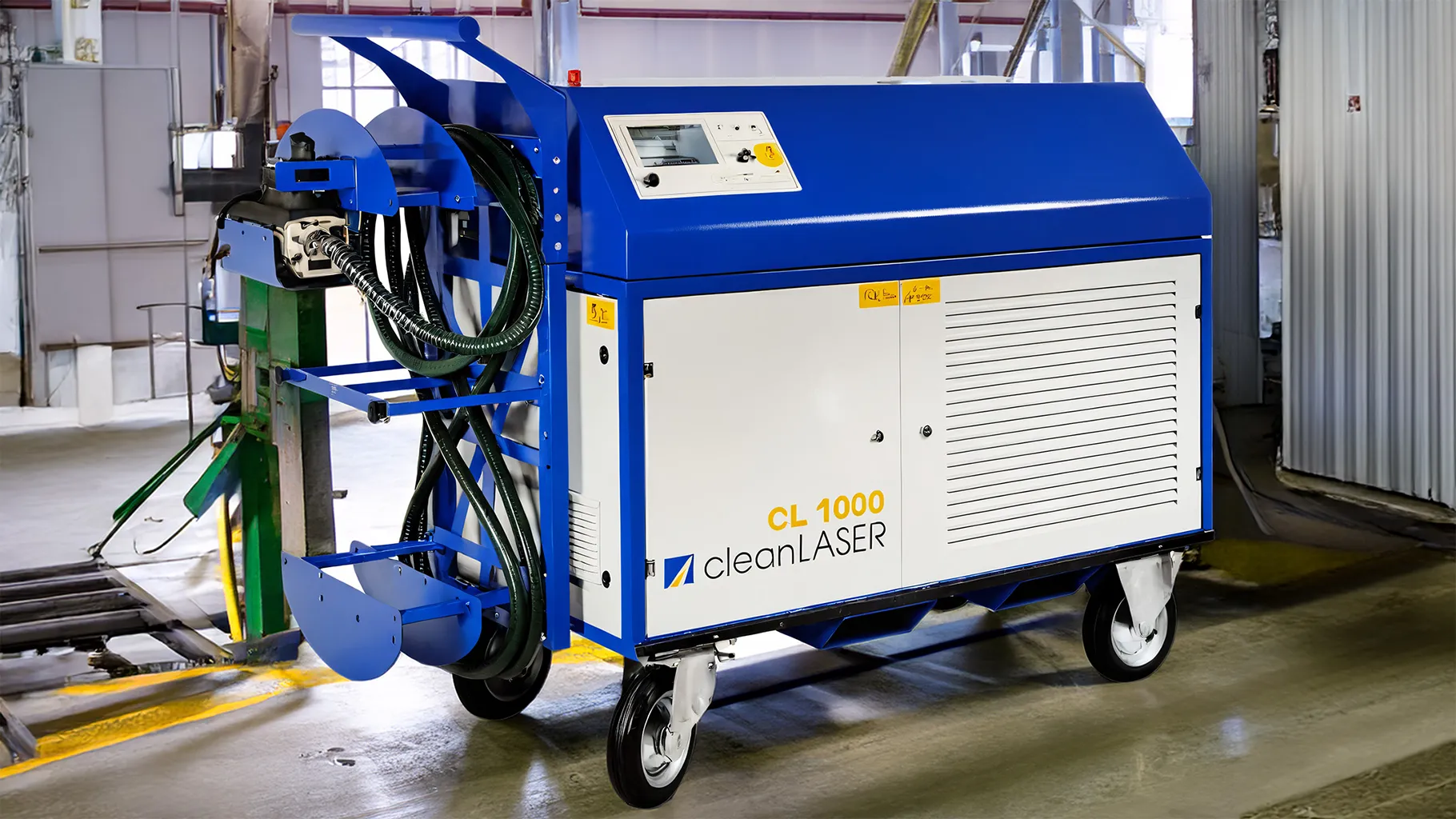
High Power Laser Systems
-
Customized Systems
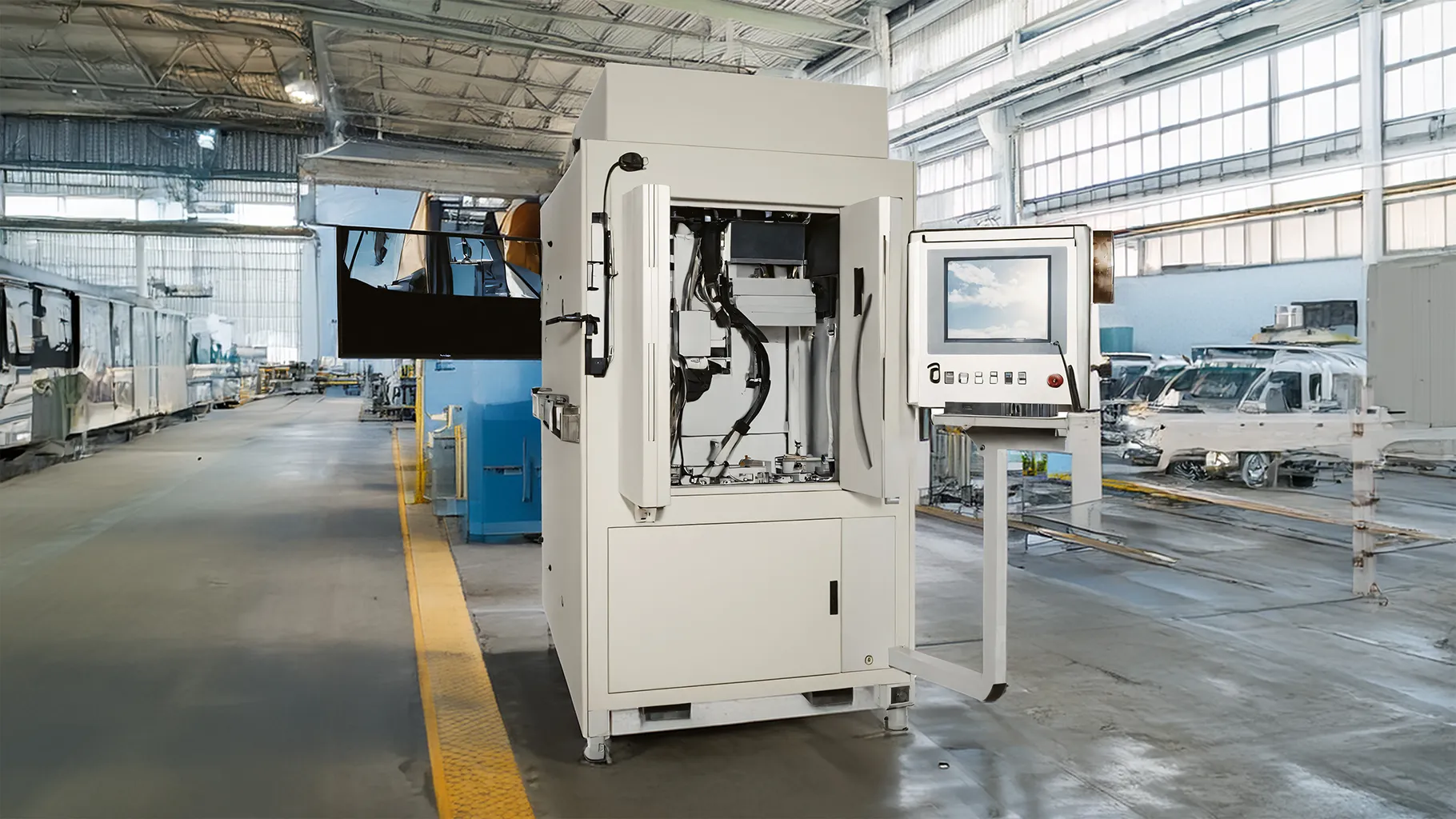
-
Robotic Guided Systems
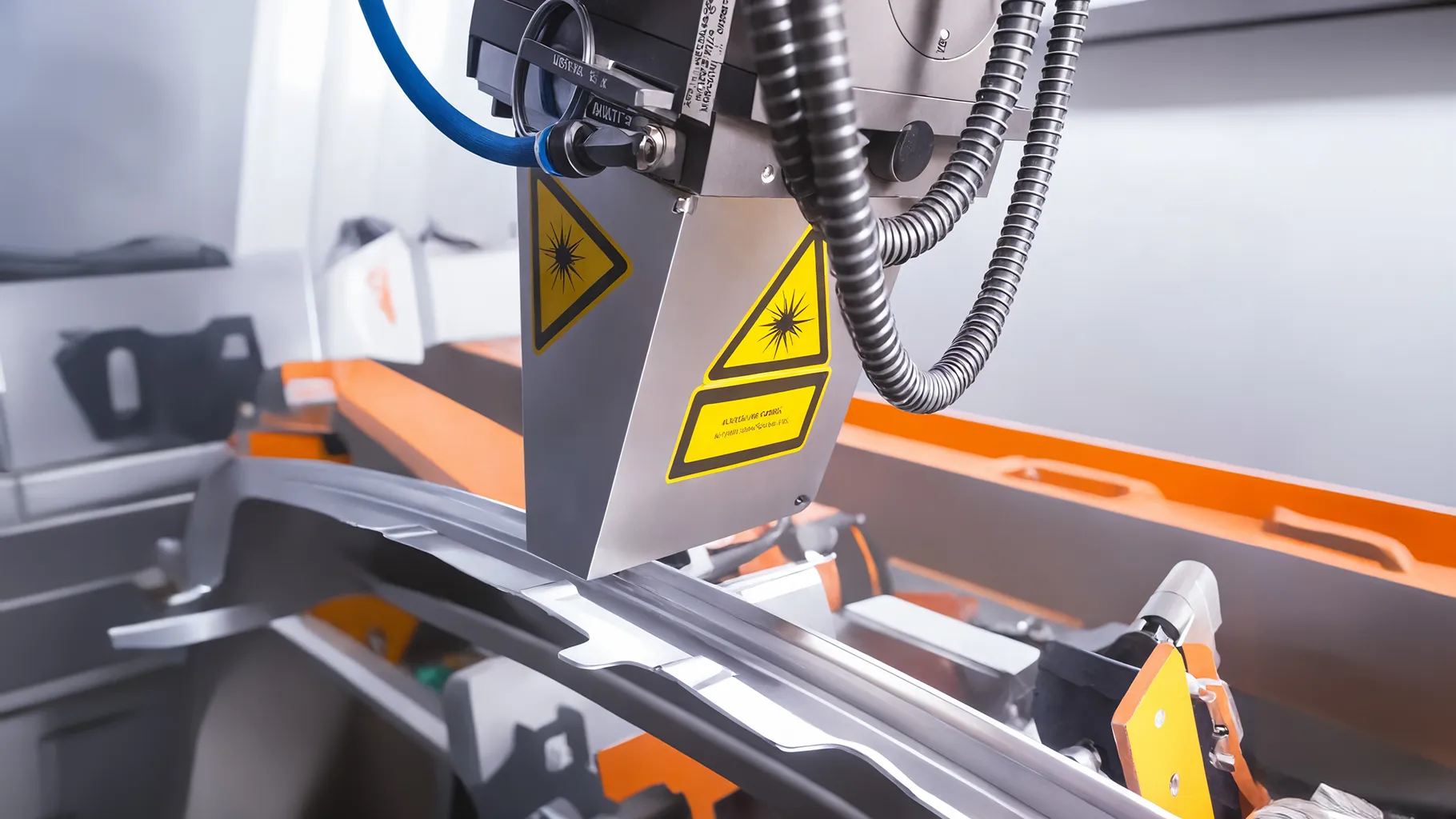
-
Turmeric Tablets
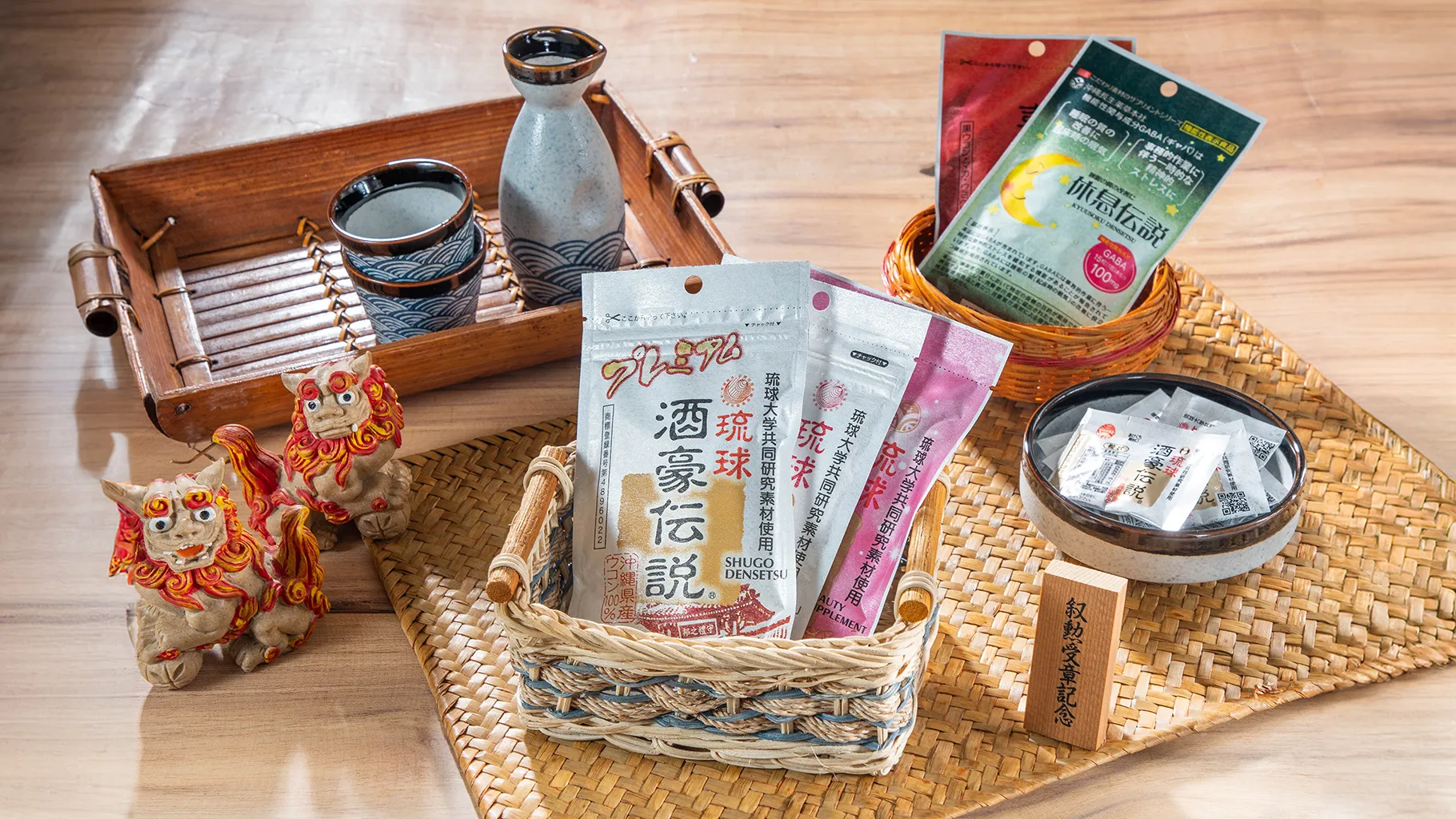
-
Joy of Sweetness

-
Blended Spring Turmeric
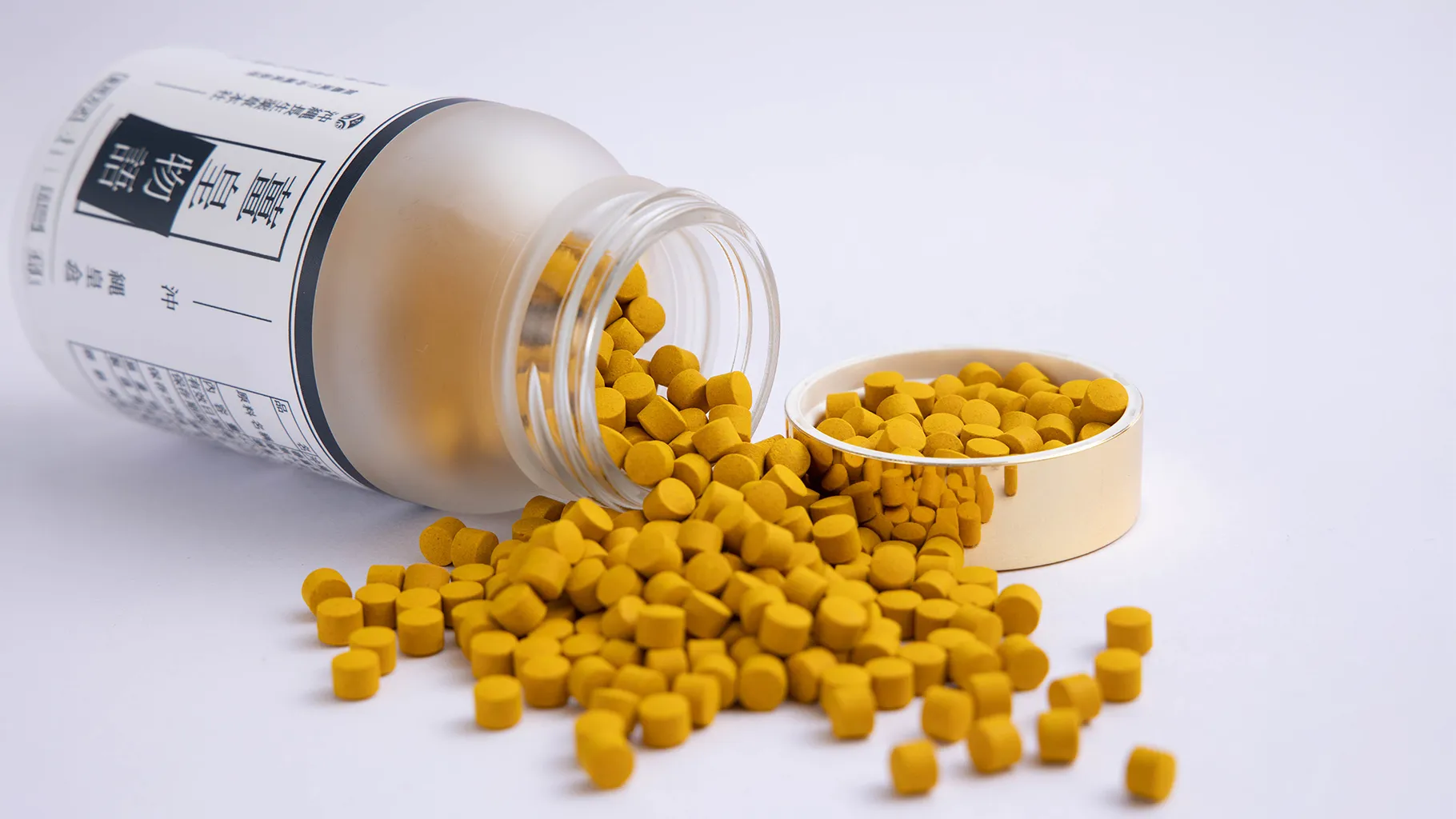
-
Pure Spring Turmeric

-
Black Sugar Turmeric Powder